
Trauma Therapy for Adults in the Bay Area
About Trauma: Understanding the Biology & Body-Mind Alignment Behind Healing
What is Trauma?
The concept of “trauma” has finally gained global recognition as a core component of mental health treatment but the word is often overused and misunderstood. Trauma is not just about something big or dramatic happening to you. It’s an umbrella definition for how your body and mind respond to experiences that overwhelm your ability to cope at the time. It’s the result of any experience that leaves you feeling helpless, scared, or completely out of control, and it sticks with you - often without you realizing it.
We experience trauma on on a spectrum.
Trauma can be the result of a single, shocking event. It can also be something that happens over time, like growing up in an unsafe environment, or the accumulation of repeated fear responses large and small - or a combination of all of these!
Trauma related behaviors can be subtle and show up in how we think, how we feel, and how we interact with others - often without us even knowing why we react the way we do and why we feel powerless to change.
The effect of trauma can have recognizable themes like “chronic anxiety, emotional numbness, or feeling disconnected from ourselves” but symptoms of trauma often don't always look like what we see in movies or associate with survivors of combat, abuse, or natural disasters which makes experiencing them feel incredibly personal, confusing and isolating.
The good news is, the negative effects of trauma do not have to be permanent! Reaching your capacity for deep stress and pain are not signs of weakness, a character flaw, or your fault.
Your body was simply trying to inform and protect you and got stuck.

Trauma And Your Nervous System
Imagine your nervous system like the dashboard of a car, with different indicators lighting up depending on what’s happening within your body and around you. When things are regulated, your lights are green, everything is running smoothly, and you’re able to navigate life with a sense of safety, confidence and resilience to stress.
But when unprocessed trauma is involved, it can feel like the dashboard is constantly flashing red or yellow, signaling distress and confusion. Stuck in a cycle of dysregulation, your nervous system might begin to misinterpret signals, causing you to feel constantly on edge, disconnected, or emotionally shut down even though the activating event or stress is over.
Trauma impacts how we respond to the world, and the key to healing is learning how to recalibrate your system back to a place where you can feel more balanced, safe, and empowered.

Are you stuck on or off?
Common mental health symptoms are often rooted in the nervous system
Your autonomic nervous system is made up of two major players:
The Sympathetic System:
This is your body’s accelerator, gearing you up for action when a stressor arises. Your “Fight or Flight” mode.
The Parasympathetic System:
This is the brake pedal, helping you (and your body) to relax, rest, and recover.
Ideally, these two systems work in harmony: when you feel threatened or scared, your sympathetic system kicks into a state of “hyperarousal” for action, and when a threat passes, your parasympathetic system brings you to a state of “hypoarousal” for calm and recovery.
Trauma can upset this balance, leaving you stuck in one of these states or bouncing between them in ways that feel scary, uncontrollable, exhausting and intense.
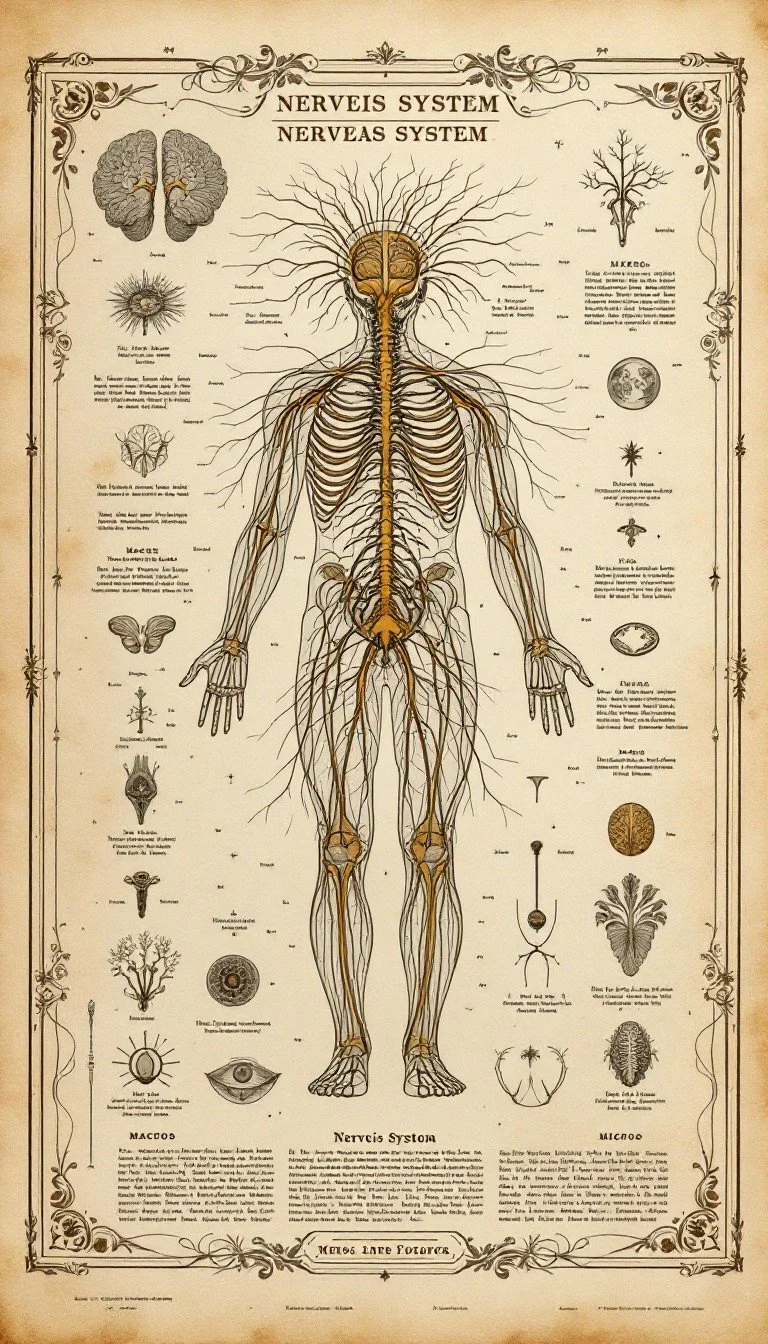
Moving Between States: The Cycle of Dysregulation
One moment you feel anxious and panicked, and the next, you feel emotionally drained or disconnected. It’s exhausting, and you feel like you’re never fully "present" in your own life. Try as you might to reduce stress or stick to a wellness routine, it’s almost as if you have energy when you “shouldn’t” (2am while doom scrolling) and are exhausted at exactly the wrong time (like when you have fun plans or during work).
What you might be experiencing is the result of your sympathetic and parasympathetic nervous systems maxing out - and they may have been maxed out for longer than you realize. If you’ve always thought of yourself as “high strung”, battled with chronic insomnia or oversleeping, or worried that these behaviors are never going to change, unprocessed traumatic stress might be an underlying factor.
Hyperarousal: The Body on High Alert
Living in a state of pervasive hyperarousal makes it hard to slow down, relax, or even think clearly. You may begin to operate from a place of hypervigilance, where every noise or change in your environment feels like a potential threat.
It can manifest as the feeling of being “on edge” - your heart races, your muscles tighten, and your mind can’t seem to stop running through worst-case scenarios.
Some common ways hyperarousal shows up in your life:
Constant anxiety or panic attacks
Racing thoughts that won’t quiet down
Muscle tension and restlessness
Irritability or feeling like you’re always ready to “react”
Hypoarousal: The Body’s Shutdown Mode
On the opposite side, pervasive hypoarousal is when your parasympathetic nervous system becomes stuck in shut down mode. This is your “Freeze or Fawn” response, where your body either disconnects from the present entirely or tries to appease and retreat to avoid feeling overwhelmed. In hypoarousal, you might feel chronically drained and unable to connect to others while at the same time feel overburdened and like you can’t catch up.
Symptoms of hypoarousal might look like:
Emotional numbness or a feeling of being “stuck in a rut”
Fatigue or chronic exhaustion
Dissociation like floating outside your body or finding yourself staring into space
Difficulty concentrating or engaging with the present moment
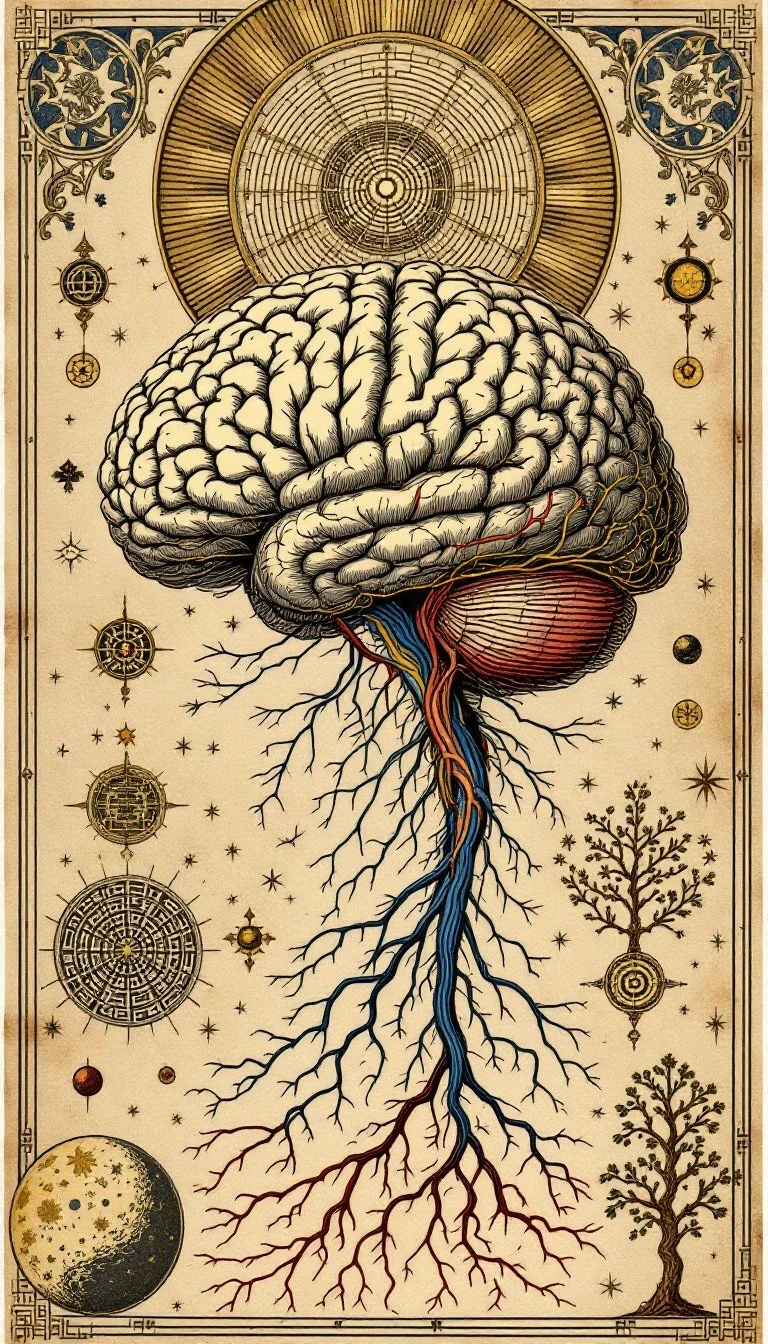
Trauma and Your Brain: How Your Mind Changes After Trauma
Trauma affects your body and alters how your brain works.
The brain has key areas that help us process emotions, form memories, and make decisions. In particular, trauma impacts your limbic system which is comprised of the amygdala, hippocampus, hypothalamus and thalamus, and your prefrontal cortex:
Amygdala: The “alarm center” of your brain. When you experience trauma, the amygdala becomes hyperactive, making you more sensitive to stress and danger.
Hippocampus: This part of the brain is responsible for storing and retrieving memories. Trauma can shrink the hippocampus, making it harder to distinguish between past and present dangers.
Hypothalamus: Regulates the autonomic nervous system, controlling basic drives and functions such as hunger, thirst, sleep, and hormonal release.
Thalamus: Acts as a relay station for sensory information, directing senses to different parts of the cerebral cortex and other brain areas.
Prefrontal Cortex: This is the part of your brain that helps you think clearly and make rational decisions. Trauma can impair the prefrontal cortex, leading to difficulties in emotional regulation and decision-making.
When these brain areas aren’t functioning optimally, you might find it hard to calm down regardless of supportive factors like mindfulness tools or regular therapy, feel overwhelmed by stress, or react impulsively. This is why the effects of trauma can sometimes feel like your mind and body have been hijacked, causing you to react in ways that don’t feel entirely “in your control.”
There can also be serious cumulative effects due to compromised decision-making based on survival-level reactivity. If you have ever found yourself feeling trapped, confused and frustrated from repeating certain patterns - especially relationship and addiction patterns - your brain’s response to previous trauma may be at play.
The Window of Tolerance: Finding Your Balance
The Window of Tolerance is the zone where your body and mind are in balance and you're able to process emotions, interact with others, and manage stress in a healthy way. When you’re within your window, your nervous system is regulated, and you can respond to life with clarity and calm.
When you step outside that window - either into hyperarousal (too much) or hypoarousal (too little) - things get out of sync.
A wider window of tolerance allows you to handle stress better and recover faster, while a narrow window can leave you feeling overwhelmed and unable to cope with life’s challenges.
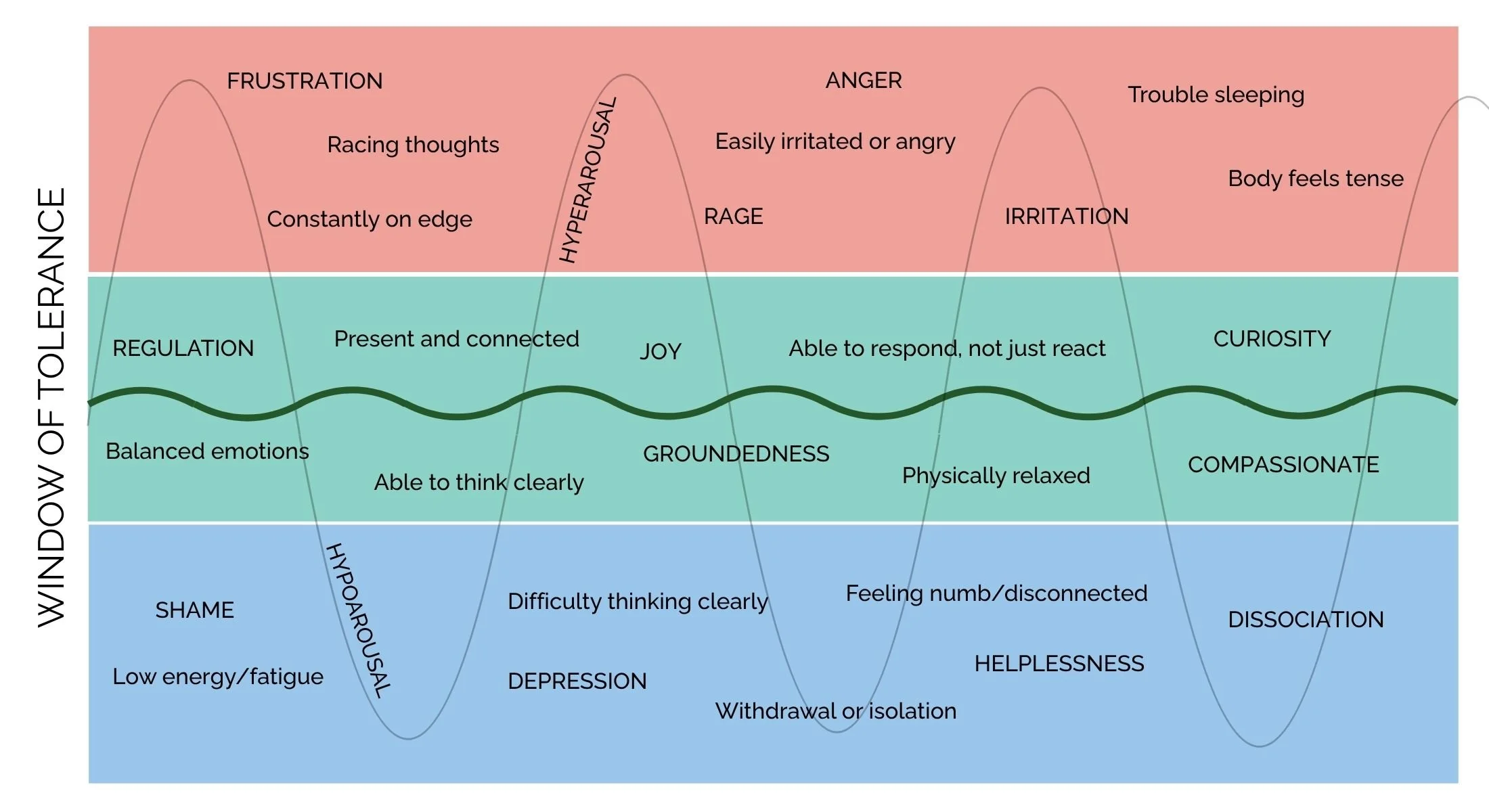
Healing: Expanding Your Window of Tolerance
Healing from trauma is about becoming unstuck and creating space in your nervous system. You can gently bring the wild pendulum swings back into the center, finding a place of grounded calm where you’re no longer overwhelmed by your body’s responses.
When your window of tolerance expands, you’ll find yourself calmer, no longer sweating the small stuff, and feeling capable. Just as the effects of trauma can lock you into pervasive extremes, once you rediscover your balanced, regulated state, you’ll return to it more easily and more often.

Moving Forward: Reclaiming Your Life
The effects of trauma don't have to define your future.
Yes, it changes how your nervous system operates and you are worn down by living with the uncomfortable consequences, but with the right support, you can regain control. By understanding how trauma impacts both your brain and your body, we can begin to work together on restoring balance, improving emotional regulation, and building resilience.
You don’t have to keep running on empty or constantly be stuck in a state of panic or numbness. Healing is possible and it starts with understanding the biological and emotional roots of your experience. When you’re ready, I’m here to help you rebuild, reconnect, and step into a life where you feel more centered and in control.

Brainspotting: A Powerful Path to Healing Your Stuck Nervous System
One of the most popular therapies I use in my practice is Brainspotting.
It’s a powerful tool that helps to tap directly into the brain’s natural healing processes, particularly for a nervous system affected by trauma. Brainspotting works by identifying specific eye positions that correlate with areas of the brain where emotional and physical tension are stored. By simply focusing on a "brainspot," your brain is guided to process unresolved trauma, releasing deep-seated emotions, memories, and body sensations.
What makes Brainspotting so unique is that it doesn’t require you to relive or talk through traumatic experiences in detail. Instead, it allows the body and brain to process trauma in a safe, contained way without the overwhelming flood of emotions that sometimes comes with traditional talk therapy. It’s like opening a door to the deeper layers of healing, where your nervous system can finally find the rest it needs. Many clients find it both profoundly effective and surprisingly gentle, offering an opportunity to heal at a pace that feels manageable while still addressing deep-rooted emotional pain.