Brainspotting and Psychotherapy services in the San Francisco Bay Area in Oakland, CA
About Sara

The therapy relationship is the foundation for healing…
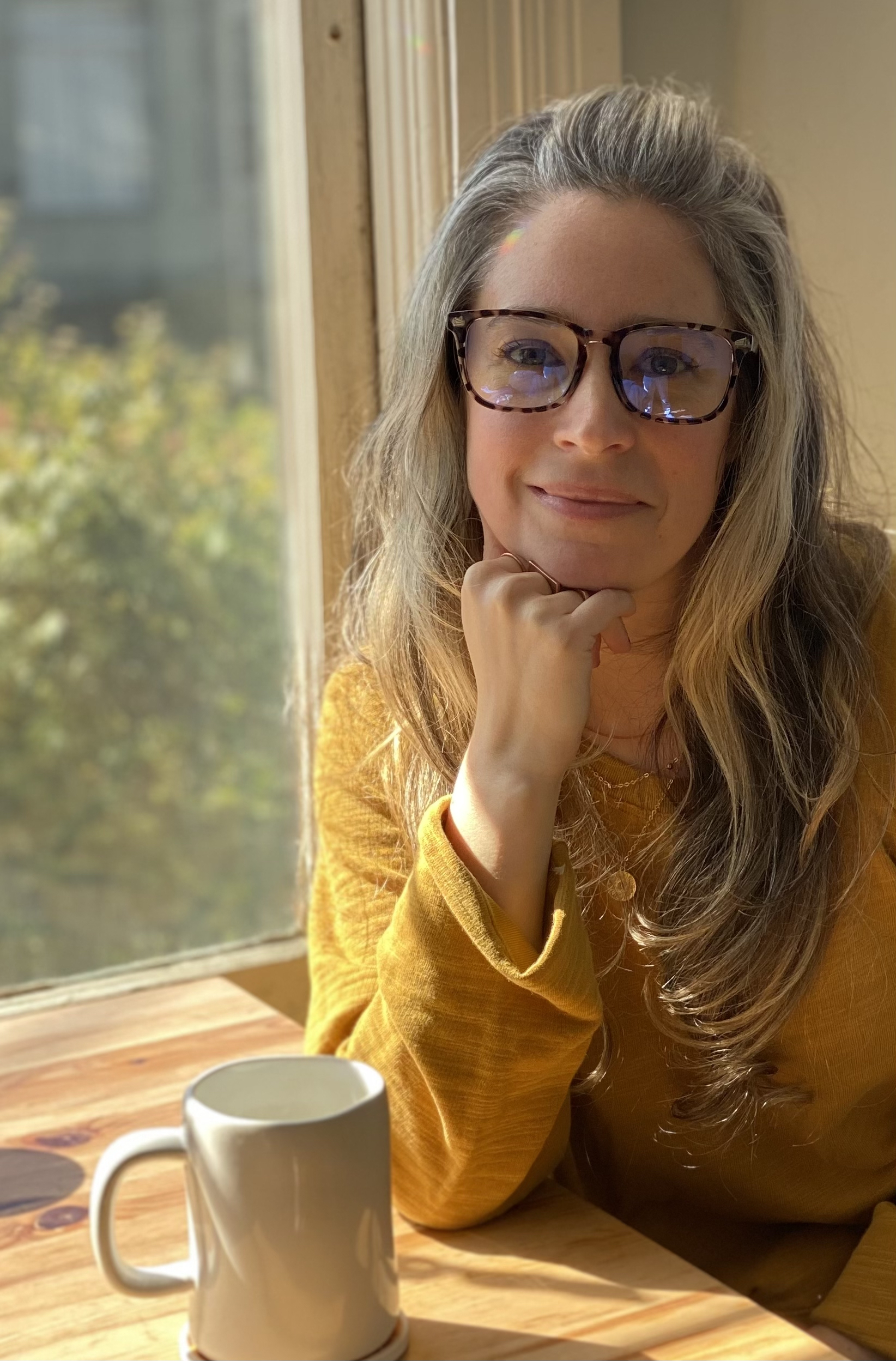
…and talking to a therapist forged by experience can make all the difference.
I was born in Oakland and grew up in San Francisco and the East Bay, one of the most naturally beautiful and progressive places in the world. Although my childhood was filled with warmth and community, facets of my core identity often felt like liabilities and familial chaos often emphasized emotional survival rather than safety.
The more I learned about and worked through the emotional and biological forces underneath my behavior, the more relief, clarity and peace entered my life - in some cases for the first time in my life. I came to recognize and admire the bravery and vulnerability it takes to face your demons and enter into therapy firsthand, and decided to dedicate my life to walking alongside others on their path to recovery of all forms. As a recipient of Brainspotting, I can attest to personally finding lasting benefit from it, and it is a true honor to be able to provide the same healing to others.
While I haven’t lived your exact story, we may have traveled through similar fire. Clients often tell me that having a therapist who has journeyed from suffering to healing lends a special kind of acceptance and acknowledgement to the therapy experience. I believe it allows me to meet you with deep empathy along with professional integrity that can be felt - sometimes without you having to explain a thing.
With me, therapy is a space where you can finally drop the exhausting mask of performing and hiding.
I understand - I’ve been there.
No regrets approach - you’re here now and that’s what matters!
The relentless pace of everyday life has a way of burying what we can’t or won’t face and that is not your fault. Maybe you've been meaning to start therapy but it just keeps getting back-burnered on your to-do list - you're not alone!
And…it's time to recognize that there might be more under the surface that is keeping you from "going there".
Deep change is by nature uncomfortable but the core truth is that the only thing to fear is fear itself.
Imagine making friends with it instead of being controlled by it!
Issues I Specialize In:
Childhood trauma
Complex/attachment trauma
PTSD
Addiction and substance misuse
Life transitions and identity work (death, birth, job change, aging, diagnosis & recovery from disease, breakups and divorce, marriage, increase/decrease in salary)
The unique challenges of women and femmes in all areas of life
Celebrating and supporting single and/or child free lives
Addressing cumulative psychological harm from microaggressions
Racial/gender/socioeconomic marginalization
High intensity and stressful work environments
Family issues and dynamics
Intergenerational maladaptive coping
Education & Licensure:
LCSW # 128986, licensed to practice throughout the state of California
Master of Social Welfare, University of California at Berkeley
Bachelor of Arts in Neuroscience, University of California at Santa Cruz
Advanced Trainings & Certifications
Certified Brainspotting Therapist
Specialty Brainspotting training in Expansion Spotting & Trauma Intensives
Wellness Recovery Action Plan (WRAP) Training - Part 1 & Part 2
EMDR - Adult & Child Phase 1 & 2
Certified Peer Specialist (Mental Health Association of San Francisco)
Certified Crisis and Suicide Prevention Counselor (Crisis Support Services of Alameda County)